
DesignKit
The design system that keep communications on brand
A packaged design system – the style guide, templates and application rules that let your people produce on-brand material without a designer in the room.

Introducing DesignKit
Guidelines get written. Then Tuesday happens.
Someone at a site needs a notice out by lunchtime. The brand guidelines are a sixty-page PDF on a server. There is no template for what they are making, so they open the last deck they can find, change the words, and send it.
Multiply that across different locations and across a year, and the brand drifts. Not through carelessness, but through the absence of anything faster to reach for.
A style guide describes the brand. Templates are what people actually use. Most organisations have the first and not the second.
DesignKit is a design system, not a design retainer
DesignKit builds your design system: the style guide, the template systems and the application framework that together let internal teams produce consistent communication without going through a designer each time. Fixed fee, scoped up front, handed over in full.
A design system is not a folder of templates. It is the templates, the rules about which one to use when, the limits on what can be changed, and the place they all live. Organisations that struggle with consistency almost always have templates already. What they do not have is the system holding them together.
This is not a standalone service. It compliments our ongoing managed communication services and provides the companies we work with with a holistic set of tools.
The production gap
Templates built by practical use, not aesthetics
A template system designed around a marketing team’s design licences is no use to a supervisor on a plant floor with Office and a printer. DesignKit templates are built in for Microsoft Office use and designed for the environments internal communication actually lives in: pinned to a wall, read at arm’s length, printed in black and white, in-house.
Where workforces are multilingual, templates are built to hold longer translated text without the layout collapsing. That sounds like a detail until a German or Spanish translation runs forty per cent longer than the English and the poster no longer fits. This is where experience matters.
Around 80% of the global workforce is deskless. Most brand identity material was designed for the other 20%.
What it covers
What the design system contains
Like every Kit, DesignKit is bundled. The three parts are the system. Templates without governance become a folder nobody maintains, and a style guide without templates is the document you already have.
The process is two-fold. We first hold a diagnostic consultation where we analyse your A) existing templates and assets, and B) what's working, and what's not working. Thereafter we scope out out your full design system.
Style guide
- Applied rules rather than theory: what to do, shown done
- Colour, typography, layout, imagery and iconography specified for real use
- Contrast and legibility standards, including reading at distance
- Written to be used by people who are not designers
Template systems
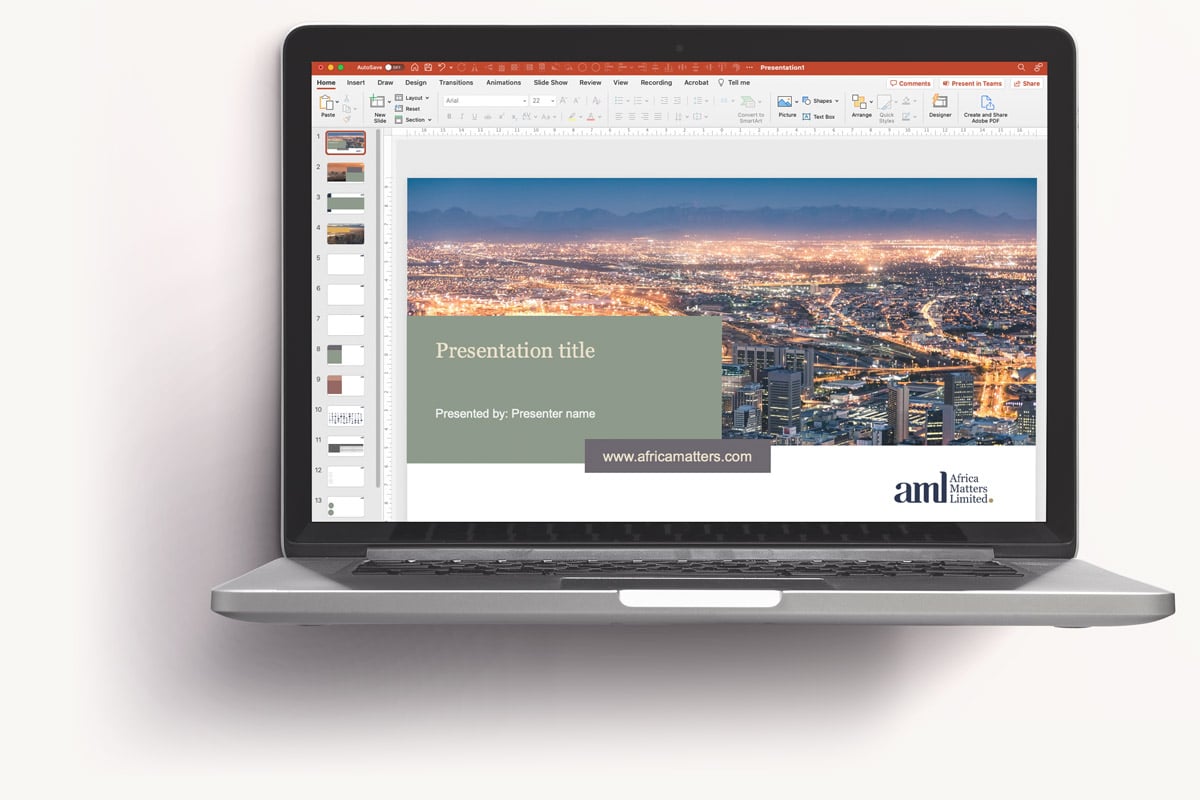
- PowerPoint presentation templates built properly, with correct masters and layouts rather than a styled first slide
- Word templates for reports, memos, notices and policy documents
- A simple email signature system, consistent across the organisation
- Templates suitable for multi-purpose use
- Channel and social templates where they are relevant
Application framework
- Which template for which job, so the decision is already made
- Governance: what can be edited, what is fixed, and who approves
- Asset library structure, with approved files held separately from working ones
- A handover session, so the people using it understand why it is built the way it is
A business design system – designed for companies to have usable brand elements, without needing in-house designers
PROOF
Specialist focus since 2008
The team behind CommsKit were originally the international creative agency, Halo Media. Over time and focus of working within heavy industries, Halo evolved into CommsKit, but retained the brand and design skills in-house. Read more abour our team here.
Through this creative background, we have the skills and knowledge of how to produce design templates that are used within business – not focused only on how they look, but our first priority is to focus on how they work.
Brand-led communications underpinned by functional templates.

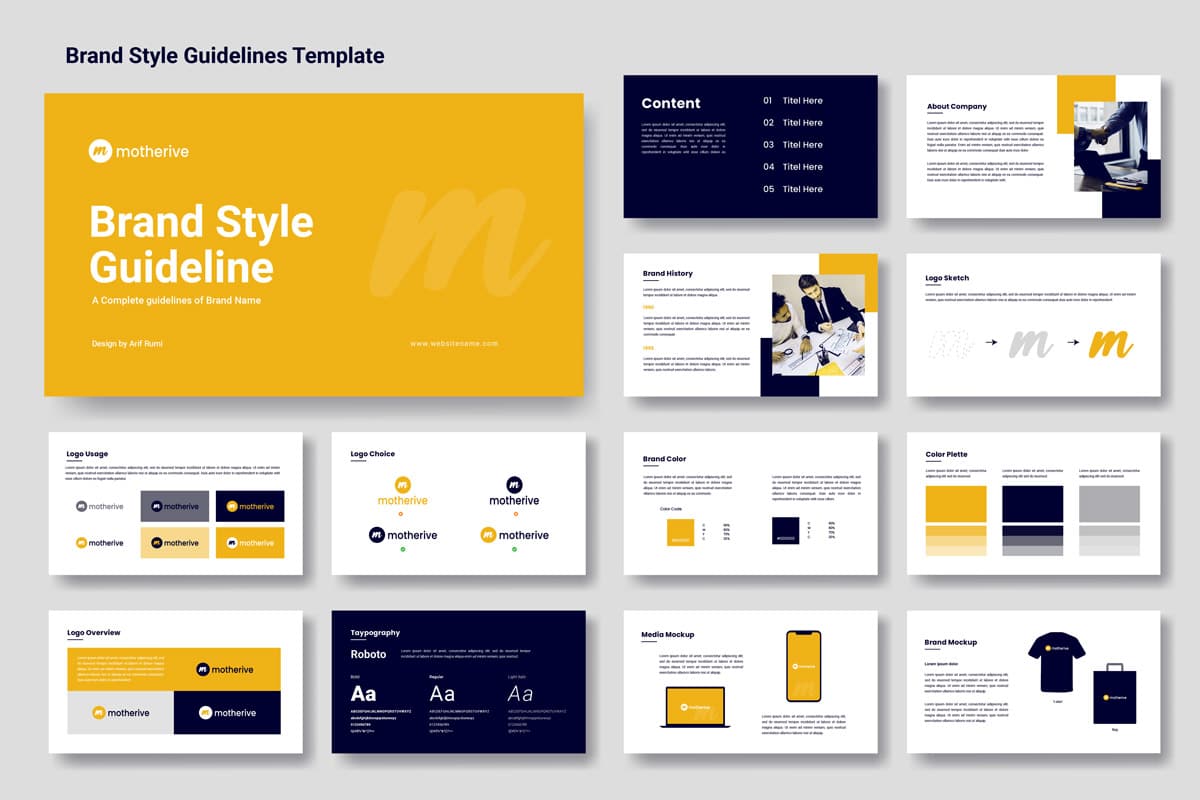
How it runs
Scoped once, delivered once, handed over
Phase 1: Diagnostic
This is a diagnostic phase where we look at what templates exist, what people actually use, and where the workarounds have grown up. The workarounds are usually the most useful thing we find.
Phase 2: Build
Style guide and templates developed together and tested against real documents from your organisation, not against a demo.
Phase 3: Handover
Files, documentation and a working session with the teams who will use them. Owned by you, with no licence and no dependency on us.
Frequently asked questions about DesignKit
Yes, as part of the wider system. They are built on proper slide masters and layouts rather than a single styled slide, so the formatting holds when someone adds a slide six months later. Presentation templates on their own are not sold separately, because a deck template with no rules about when to use it drifts as quickly as anything else.